
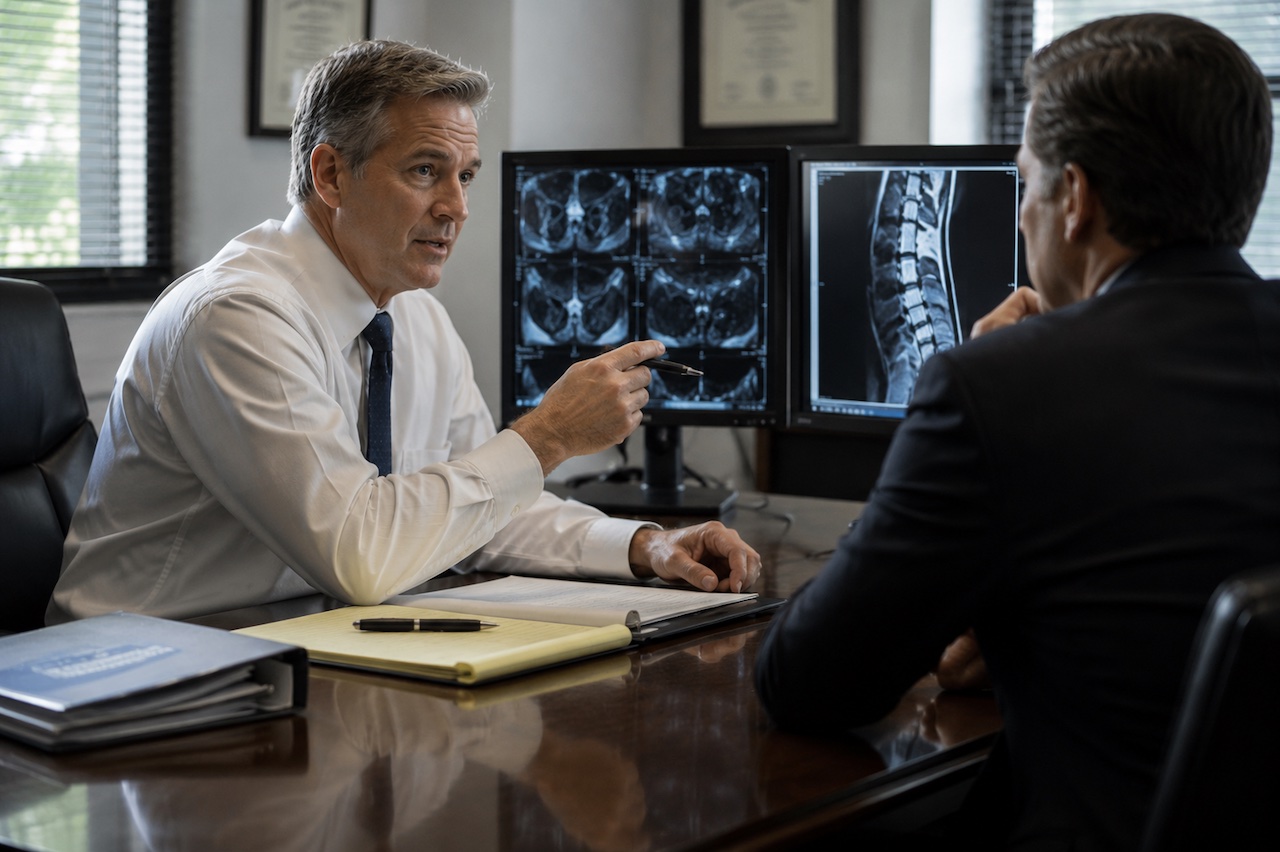
A medical case can look strong in the file room and still weaken the moment testimony begins. The records may show injury, treatment, and loss, but the attorney still needs a medical witness who can explain what happened, why it happened, and how the medicine supports the legal theory. That is why early medical witness selection matters. Waiting until disclosures or deposition deadlines approach can leave lawyers trying to fix problems that should have been identified at the beginning of the case.
So how early should attorneys vet a medical witness? What should they look for beyond a CV? How can early screening reduce the risk of testimony problems months or years later? At Rieback Medical-Legal Consultants, we help attorneys answer those questions before the case depends on a witness who cannot support it under scrutiny.
Based in Fort Lauderdale and serving attorneys nationwide, we connect plaintiff and defense lawyers with highly credentialed medical consultants in more than 100 fields of medicine. We do not hand over names and step aside. We help attorneys understand the medicine, assess case merit, prepare for deposition, and build testimony that holds together when the other side presses hard.
Why Does Early Medical Witness Vetting Change Trial Strategy?
Trial problems rarely begin at trial. They often begin when attorneys rely on incomplete medical assumptions, wait too long to test causation, or choose a witness based only on credentials.
A strong medical witness does more than review records. The right physician can identify what the chart proves, what it does not prove, and where opposing counsel will attack. That early analysis helps attorneys decide which claims to pursue, which damages need more support, and which facts require additional development.
Early vetting also helps lawyers avoid overclaiming. Under Federal Rule of Evidence 702, testimony must rest on sufficient facts or data, reliable methods, and a reliable application of those methods to the facts. If a medical consultant sees a weak causation link, a questionable damages theory, or an unsupported standard-of-care argument, the attorney needs that information before discovery closes.
What Should Attorneys Look For Before Choosing A Medical Witness?
A good witness needs more than a respected title. Medical litigation requires clinical knowledge, clear communication, objectivity, and the discipline to stay within the evidence.
Attorneys should look closely at the following factors before retaining a medical witness:
- Relevant Clinical Background: The witness should work in the same field, or a closely related field, tied to the medical issue in dispute. A case involving a surgical complication needs a physician who understands the procedure, the risks, the charting, and the real decisions made in the operating room.
- Ability To Teach The Medicine: Juries do not need a lecture. They need a clear explanation of what happened, why it mattered, and how the medical facts connect to the legal claim.
- Objective Case Review: A useful consultant will call the case as they see it. Attorneys need to understand strengths and weaknesses early, not receive a flattering opinion that falls apart later.
- Deposition And Trial Readiness: A witness who writes well but cannot handle pointed questioning can hurt the case. Vetting should include whether the physician can remain calm, precise, and persuasive under pressure.
These points matter because medical testimony often becomes the bridge between the records and the verdict. If that bridge is shaky, the rest of the case carries more weight than it can safely hold.
How Can A Poorly Matched Medical Witness Hurt A Case?
One bad fit can change the course of litigation. A witness who lacks the right background can invite exclusion challenges. A witness who overstates opinions can damage credibility. A witness who cannot explain medical language in plain terms can lose the jury even when the underlying opinion is medically sound.
The risk grows when attorneys wait too long. By the time reports are served or depositions begin, the case may already depend on that witness. Replacing the witness can create delay, increase costs, and force the attorney to rebuild parts of the case theory.
Early screening helps prevent common problems, including:
- Weak Causation Opinions: If the witness cannot explain how the injury, condition, or outcome connects to the medical event, the defense will focus heavily on that gap.
- Unsupported Standard-Of-Care Criticism: In medical malpractice cases, a witness must explain what should have been done differently and why that failure mattered.
- Poor Record Command: A witness who misses key chart entries, timelines, or prior conditions gives opposing counsel easy material for impeachment.
- Communication Problems Under Pressure: A physician who sounds uncertain, defensive, or overly technical can weaken even a medically valid opinion.
These issues are not cosmetic. They affect settlement value, deposition leverage, and trial credibility. When attorneys vet early, they can identify those risks before the case depends on them.
Why Does Objectivity Matter More Than A Favorable Opinion?
Attorneys do not need a witness who simply agrees. They need a physician who provides legitimate insight, explains the medical issues clearly, and stays grounded in the record.
Objectivity protects the case. The American Medical Association’s guidance on medical testimony recognizes that physicians have a role in helping the administration of justice and that medical witness testimony should meet professional standards. That matters because a witness who exaggerates can damage the attorney’s credibility along with the opinion.
A medical consultant who identifies weaknesses early gives the attorney time to address them. That may mean ordering additional records, consulting a different medical field, or narrowing the claim to the strongest theory. Courts and juries tend to trust witnesses who avoid exaggeration and explain their limits clearly.
How Does Vetting Improve Deposition Preparation?
Depositions test more than opinions. They test preparation, judgment, and command of the facts. A physician who has not been vetted for litigation may answer too broadly, volunteer unnecessary information, or fail to explain the limits of an opinion.
Early involvement gives the attorney and medical consultant time to prepare testimony around the real pressure points in the case. That includes the timeline of care, prior medical history, alternative causes, future treatment needs, and damages questions.
Preparation should focus on several key areas:
- What The Records Actually Show: The witness should know the chart, imaging, test results, and treatment timeline well enough to answer without guessing.
- Where The Other Side Will Attack: Prior conditions, gaps in treatment, competing medical interpretations, and unclear causation opinions require direct preparation.
- How To Explain Medical Terms Clearly: The strongest answer often uses simple language that connects the medical fact to the legal issue.
- What The Witness Should Not Overstate: Credibility depends on staying inside the evidence. A careful limitation can strengthen the opinion instead of weakening it.
When a witness is prepared this way, deposition testimony can strengthen the case rather than create new problems.
How We Help Attorneys Find The Right Medical Witness
Rieback Medical-Legal Consultants has spent nearly four decades building relationships with medical and nursing professionals who care about accurate testimony and high standards of care. We do not treat medical witness selection as a directory search. We look at the medical issues, the litigation posture, and the type of testimony the attorney needs.
Ellen Rieback, R.N., remains personally involved in the process and offers free case summary reviews. That early review can help attorneys decide whether a matter has merit, which type of physician should review it, and what medical questions need answers before the case moves forward.
Our consultants can assist from initial review through deposition and trial testimony. For urgent matters, we understand that attorneys face filing deadlines, disclosure dates, and court schedules that do not wait for slow review.
Build Stronger Medical Proof Before Trial Pressure Begins
The right medical witness can help an attorney understand the medicine before the opposition turns uncertainty into doubt. Early vetting gives the case a clearer theory, stronger testimony, and fewer avoidable surprises.
Contact us for a free case summary review. There are no hidden referral costs, and medical reviews are handled on a straight hourly basis. Make our team part of your team before testimony becomes the turning point.
"Ms. Rieback consistently locates well-qualified medical experts that permit me to make early and accurate case evaluations and assist us in tipping the scales of justice in our client's favor. The professionals that she recommends to us are consistently highly experienced, meticulous in their case preparation and analysis, and superb witnesses at both deposition and trial." – Alan W., ⭐⭐⭐⭐⭐